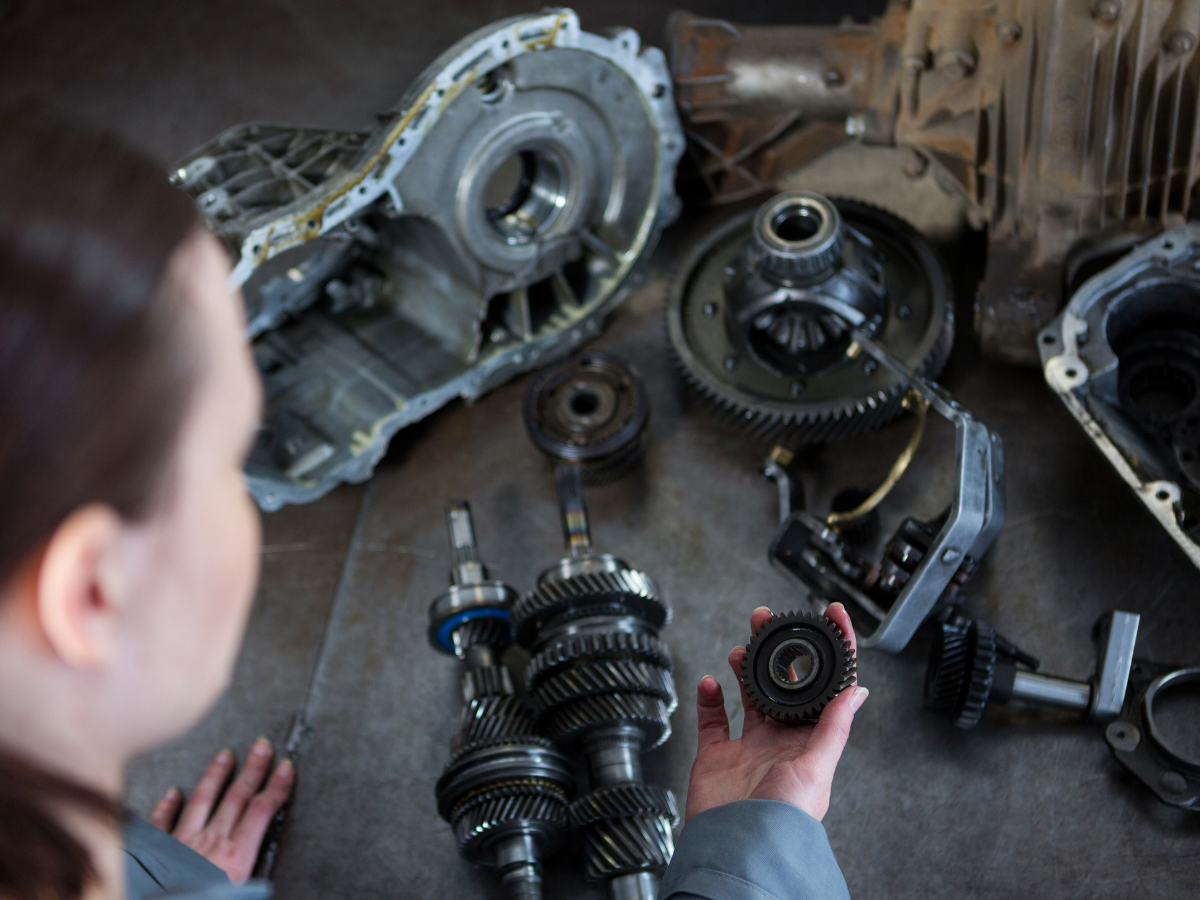
Proper maintenance of transmission fluid is crucial for the performance and longevity of your Renault vehicle. Whether driving a manual or automatic Renault, ensuring regular transmission servicing helps prevent costly repairs and enhances overall efficiency.
Your Renault’s transmission works every time you drive, shifting gears, managing power, and ensuring a smooth ride. Over time, when transmission fluid breaks down due to heat and daily wear. If it isn’t replaced at the right interval with the Renault mechanic near you, it can lead to rough shifting, reduced efficiency, and expensive Renault repair issues. Staying proactive with Renault service ensures better performance, reliability,
This blog covers everything you need to know about Renault transmission fluid maintenance, including when to change transmission fluid, signs of issues, and why professional transmission servicing is essential.

Why Transmission Fluid Maintenance Is Important for Renault Vehicles
Transmission fluid doesn’t just sit inside your Renault; it constantly works to keep the system running smoothly. It lubricates moving parts, controls heat, and allows gears to shift smoothly while you drive. Over time, heat from the engine, stop-start traffic, and everyday use gradually break the fluid down.
When it becomes dirty or loses its effectiveness, your Renault may start to feel less responsive, run hotter than usual, or struggle between gears. Ignoring it for too long can eventually lead to serious transmission damage and costly repairs that could have been avoided with timely maintenance.
Regular transmission servicing helps your Renault stay smooth, reliable, and efficient on the road. By keeping the internal components properly lubricated and protected, you reduce unnecessary wear and tear that builds up over time. Sticking to the right transmission fluid replacement intervals not only protects the gearbox but can also improve fuel efficiency and keep your vehicle performing the way it was designed to.
When to Change Renault Transmission Fluid
The recommended transmission fluid change interval varies based on your Renault model and driving conditions. However, as a general rule:
- Automatic transmissions: Change the fluid every 60,000 to 100,000 kilometres.
- Manual transmissions: Change the fluid every 50,000 to 80,000 kilometres.
- Severe driving conditions: If you frequently tow heavy loads, drive in stop-and-go traffic, or experience extreme temperatures, more frequent changes are necessary.
Failing to perform timely transmission servicing can result in overheating, sluggish performance, and an increased risk of costly Renault repair work.
Signs That Your Renault Needs a Transmission Fluid Change
Neglecting transmission fluid replacement can lead to severe mechanical issues. Check out for these signs:
- Delayed or rough gear shifts: If your Renault hesitates when shifting gears, the fluid may be dirty or low.
- Slipping gears: When a lack of proper lubrication can cause your transmission to slip between gears unexpectedly.
- Burning smell: Overheated or degraded transmission fluid emits a burning odour, indicating the need for a change.
- Unusual noises: Grinding or whining sounds while shifting may point to low or contaminated fluid.
- Transmission warning light: A dashboard warning light related to the transmission system should never be ignored.
Transmission Fluid Change Process
A transmission fluid change involves draining the old fluid, replacing the filter (if applicable), and refilling the system with fresh, manufacturer-approved fluid. For a complete fluid replacement, a transmission flush may be required to remove old fluid from the torque converter and cooler lines.
Steps Involved in Transmission Fluid Replacement:
- Draining the old fluid: The first step is removing the worn-out transmission fluid, which may contain dirt, metal particles, and other contaminants that build up over time. Clearing this out gives your transmission a fresh start.
- Replacing the filter (if applicable): Some Renault models are fitted with a transmission filter that traps debris. If your vehicle has one, it will be replaced to ensure clean fluid continues circulating through the system.
- Refilling with new fluid: Fresh, Renault-approved transmission fluid is then added. Using the correct specification is essential for smooth shifting, proper lubrication, and long-term reliability.
- Testing and inspection: Finally, the mechanic checks fluid levels, inspects for leaks, and test-drives the vehicle to make sure the transmission is operating smoothly and responding as it should.
Benefits of Professional Renault Transmission Servicing
While some vehicle owners attempt DIY transmission fluid changes, professional Renault service offers several advantages:
- Expertise and accuracy: Certified Renault mechanics understand the specific requirements of Renault transmissions.
- Proper equipment: Professional workshops have tools to flush and refill the system correctly.
- Comprehensive inspection: Mechanics can identify potential issues before they escalate into costly Renault repair work.
- Manufacturer-approved fluids: Using the correct transmission fluid prevents damage and ensures longevity.
Choosing an Experienced Renault Mechanic for Transmission Maintenance
First, the old transmission fluid is drained out. Over time, this fluid collects dirt, tiny metal particles, and other debris from normal wear inside the gearbox. Removing it clears out those contaminants and gives the transmission a clean foundation to work with.
If your Renault has a transmission filter, it will be replaced during the service. The filter’s job is to trap unwanted particles, so changing it helps ensure the new fluid stays clean and effective.
Next, fresh, Renault-approved transmission fluid is added. Using the correct type of fluid is important because it directly affects how smoothly your gears shift and how well the transmission stays protected.
Finally, the mechanic checks everything carefully, inspecting for leaks, confirming the fluid level is correct, and making sure the transmission feels smooth and responsive during operation.
Final Takeaway
Your Renault’s transmission works hard every time you drive, in traffic, on highways, and during long trips. Yet transmission fluid is often overlooked until something goes wrong. Staying consistent with your transmission fluid change and transmission fluid replacement schedule is one of the simplest ways to protect your vehicle from avoidable breakdowns.
If you start noticing rough shifting, hesitation between gears, or even a slight burning smell, it’s best not to ignore it. Small warning signs often turn into bigger and more expensive Renault repair issues if left unattended. Booking a Renault service with an experienced Renault mechanic near you would be an ideal decision. You’ll know the right fluid is being used, the transmission is thoroughly checked, and your vehicle is being looked after properly before minor concerns become major problems.
In the long run, preventative maintenance always costs less than major repairs. With timely transmission servicing and the right professional support, your Renault can continue delivering the smooth, confident driving experience it was designed for, kilometre after kilometre.
Visit our website for more.