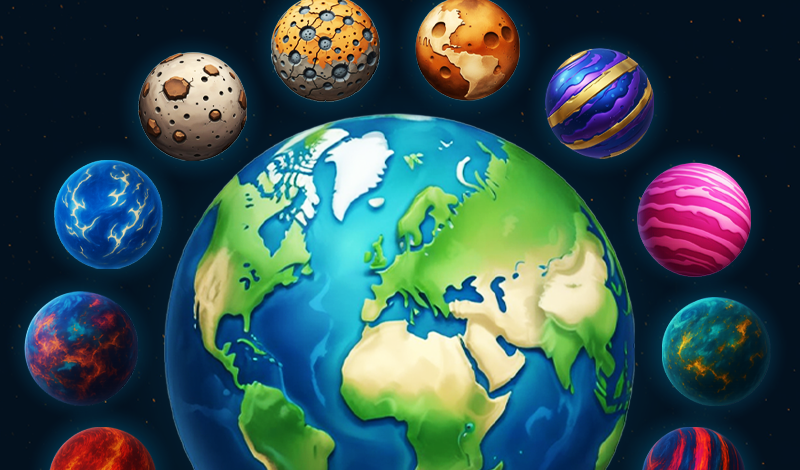
In a world often divided by geography, language, and culture, online slot gacor has emerged as a surprising force for unity. Millions of players log in each day from different continents, speaking different languages, yet working toward common goals inside shared virtual spaces. Online games have quietly become digital meeting grounds where global collaboration feels natural and effortless.
A Global Community in Real Time
Online multiplayer titles allow players from Asia, Europe, Africa, and the Americas to compete and cooperate instantly. Games like PUBG: Battlegrounds and Apex Legends randomly match teammates from across the globe, encouraging communication despite cultural differences.
Simple tools—voice chat, text messages, and quick in-game signals—help players coordinate strategies. In the process, they learn patience, adaptability, and respect for diverse perspectives.
Cultural Exchange Through Play
Online gaming environments often introduce players to mythologies, architectural styles, and storytelling traditions from different cultures. Role-playing games such as Genshin Impact incorporate global artistic influences, while expansive universes like Final Fantasy XIV blend Eastern and Western design philosophies.
Through gameplay, players gain subtle exposure to different creative traditions, fostering curiosity and appreciation for cultures beyond their own.
International Esports and Shared Passion
Competitive gaming has further strengthened global unity. Major tournaments for titles like League of Legends and Dota 2 bring together professional teams from numerous countries. Fans worldwide watch these events live, cheering for their favorite players regardless of nationality.
The shared excitement of competition creates a sense of belonging that transcends borders. For many viewers, esports events feel like global festivals of digital talent.
Collaboration Beyond Competition
Not all online gaming is about winning. Sandbox platforms such as Minecraft allow players to collaboratively build cities, replicas of historical landmarks, or imaginative worlds. These cooperative projects demonstrate how creative teamwork can overcome language barriers and distance.
Players often form long-term friendships that extend beyond the game, communicating through social platforms and sometimes even meeting in person.
Overcoming Challenges
Despite its unifying potential, online gaming faces challenges including toxic behavior and communication misunderstandings. Developers and communities increasingly implement reporting systems, moderation tools, and inclusive design practices to promote respectful interaction.
As digital citizenship becomes more important, players are learning that empathy and cooperation are just as valuable as skill and speed.
The Future of Borderless Interaction
With advancements in cloud gaming, faster internet infrastructure, and real-time translation tools, the global reach of online gaming will only expand. Future platforms may seamlessly connect players regardless of language, creating even stronger bonds between cultures.
Online gaming is gradually shaping a generation that sees international collaboration as normal rather than exceptional.
Conclusion
Online gaming has proven that shared goals and creativity can unite people across continents. Through teamwork, competition, and collaborative building, players discover common ground in digital landscapes.
In a complex world, these virtual connections remind us that cooperation, curiosity, and shared passion can cross any border—even those that exist beyond the screen.