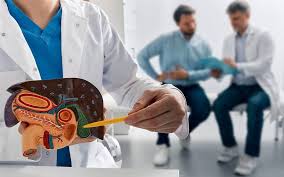
Gallbladder removal, or cholecystectomy, is a common procedure, especially for gallstones, which are a frequent abdominal issue in Australia. Gallstones can cause pain, infection (cholecystitis), polyps, or even gallbladder cancer over time. If they move into the main bile duct, they can inflame the pancreas, which can be life-threatening. That’s why doctors often recommend gallbladder removal for gallstone problems.
The surgery is usually done through keyhole (laparoscopic) surgery. However, in cases of multiple previous abdominal surgeries or unclear anatomy due to inflammation, it may be done as open surgery or switched to open surgery during the procedure.
Let’s go step-by-step and start with a basic understanding of the gallbladder, gallstones and how gallbladder removal surgery will help you in the long run.
What is the gallbladder?
The gallbladder is a small organ under the liver that stores bile, which helps digest fats. Bile flows from the liver to the gallbladder and then into the small intestine, with the pancreas adding its digestive juices to the mix.
Gallstones can form in the gallbladder. While usually harmless, they can cause pain, gallbladder inflammation (cholecystitis), or block the bile or pancreatic ducts. Blockages in the pancreatic duct can lead to gallstone pancreatitis. In rare cases, gallbladder cancer may develop.
What are gallbladder stones?
Gallstones are small stones made of cholesterol, bile pigment, and calcium salts that form in the gallbladder. They are common, especially in people over 50.
Gallstones can develop if the gallbladder doesn’t empty fully or if excess cholesterol in bile crystallises. While they usually cause no issues, treatment may be needed if they block ducts and lead to complications like infections or pancreatitis.
If gallstones cause problems, your doctor may recommend removing the gallbladder (cholecystectomy) using a keyhole or open surgery. The gallbladder isn’t essential, so your body can function well without it.
What are the symptoms of gallstones
About 70% of people with gallstones have no symptoms. When symptoms do occur, they may include:
- Severe, occasional pain in the abdomen or back.
- Worsened abdominal pain after eating fatty foods.
- Yellowing of the skin or eyes (jaundice).
- Fever and pain if the gallbladder or bile duct gets infected.
What are risk factors for gallstones
Several factors can increase the risk of developing gallstones, including:
- Obesity
- Rapid weight loss: Speeds up fat metabolism, leading to excess cholesterol production.
- Prolonged fasting: Causes bile to become overly concentrated, forming gallstones.
- High estrogen levels: Seen in pregnancy, hormone replacement therapy, or birth control use, increasing cholesterol levels.
- Gender: Women are more likely to develop gallstones than men.
- Ethnicity: Native Americans have a genetic predisposition to higher cholesterol in bile.
- Cholesterol-lowering drugs: Can increase the risk, as can low caffeine intake.
- Sedentary lifestyle: Lack of physical activity raises the risk.
Other conditions like high triglycerides, anaemia, sickle-cell disease, thalassemia, hereditary blood disorders, or jaundice also elevate the risk of gallstones.
What are the types of Gallstones?
There are three main types of gallstones:
- Mixed stones: The most common type, made of cholesterol and salts, often form in groups.
- Cholesterol stones: Mostly cholesterol, these can grow large enough to block bile ducts.
- Pigment stones: Small but numerous, made from pigments in bile, which give it a greenish-brown colour.
How to Diagnose Gallstones?
Doctors use several tests to diagnose gallstones, including:
- General tests: Physical exams and X-rays.
- Ultrasound: Uses sound waves to detect gallstones.
- Endoscope test (ERCP): A thin tube passes through the oesophagus, injecting dye to improve X-ray images.
- HIDA scan: A nuclear scan checks how well the gallbladder is working.
- MRCP: A type of MRI that provides detailed images of the liver, bile ducts, and pancreas, similar to an ERCP.
What are the available treatments for the gallbladder?
Gallstones that don’t cause symptoms usually don’t need treatment. However, if there’s a high risk of complications, doctors may recommend removing the gallbladder.
Treatment options depend on the size and location of the gallstones, which will be diagnosed by a gallbladder specialist, and may include:
- Diet changes: Avoid fatty foods and dairy products.
- Lithotripsy: Soundwaves break gallstones, mainly used for stones in the bile duct.
- Medications: Rarely used to dissolve gallstones due to side effects and mixed success.
- Surgery: Removing the gallbladder if necessary.
What is a gallbladder surgery overview?
About 80% of people with gallstone symptoms need surgery. Surgeons can either remove the whole gallbladder (cholecystectomy) or just the stones from the bile ducts.
Types of Surgery:
- Laparoscopic Cholecystectomy (Keyhole Surgery): Small cuts are made to insert instruments. The gallbladder is removed through one of the incisions.
- Open Surgery: A larger incision is made in the abdomen, often used when keyhole surgery isn’t possible.
Before Surgery:
You’ll discuss your medical history, regular medications, and any allergies or past reactions to medications with your doctor.
Laparoscopic Procedure:
- Small cuts are made to insert instruments.
- A camera helps the surgeon see the gallbladder.
- Special X-rays may check for stones in the bile ducts.
- The gallbladder is removed using a laser or electrocautery.
- The cuts are stitched and dressed.
Open Surgery:
The procedure is similar but requires a larger cut in the abdomen.
After Surgery:
- You may feel shoulder pain from the gas used during surgery.
- Pain relief will be given.
- You’ll be encouraged to walk and cough to clear your lungs.
- You’ll stay in the hospital overnight after keyhole surgery or up to 8 days after open surgery.
Possible Complications:
- Internal bleeding
- Infection
- Injury to nearby organs or the bile duct
- Bile leakage
Self-care After Surgery:
- Rest for 3-5 days and avoid heavy lifting.
- Your digestive system may take time to adjust, with bloating and changes in bowel movements.
- Most people recover within a week after keyhole surgery.
Preventive Measures (Diet)
Eating a healthy diet can help reduce gallstone symptoms. Key tips include:
- Eating low-fat foods
- Increasing fibre in your diet
Conclusion: long-term outlook after gallbladder surgery
After gallbladder surgery, you will typically have a follow-up appointment with your doctor between 7 to 10 days to check on your recovery and ensure everything is healing properly. During this visit, your doctor will assess your progress and address any concerns. Most people recover well after surgery, but in some rare cases, complications may arise, such as infections, internal bleeding, or issues with the bile ducts. If any complications are detected, additional treatments or surgery may be necessary.
It’s important to follow your doctor’s advice during recovery, including maintaining a healthy diet and gradually returning to normal activities. Over time, most people adjust well without their gallbladder, and long-term issues are rare. However, you may need to make lifestyle changes, such as avoiding high-fat meals, to ensure good digestive health moving forward.