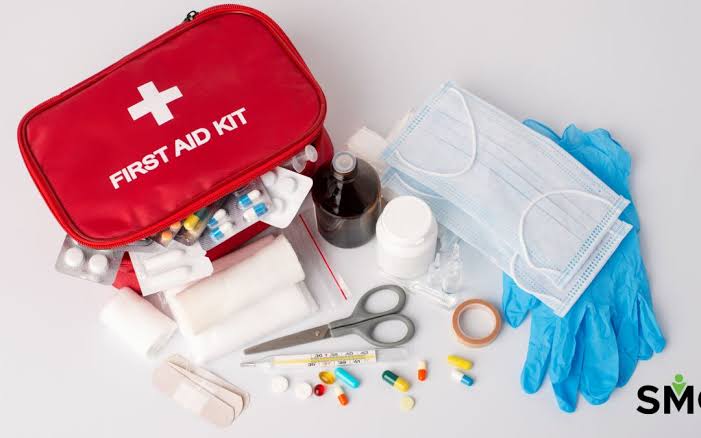
Although many individuals only consider emergency preparation when an unforeseen disaster happens, safety is an essential aspect of daily living. Accidents may occur in public areas, at work, at schools, at home, or when engaging in leisure activities. It may make a big difference to know how to react in certain circumstances. Education in first aid enables people to acquire useful skills, identify possible threats, and respond appropriately when someone is in need of help. Communities may strengthen their culture of safety, knowledge, and shared responsibility as more people learn about emergency response protocols.
Promoting Individual Accountability For Public Safety
People who recognise their obligations to others are the foundation of a society that prioritises safety. Understanding first aid makes individuals more watchful and vigilant about the dangers in their environment.
For instance, someone who has received training in basic emergency procedures may be able to see dangerous situations at work, spot choking dangers at home, or react correctly when someone suddenly becomes unwell. These abilities motivate people to see safety as a daily obligation rather than something that just affects medical professionals.
Residents of Adelaide have the chance to acquire vital emergency response skills by taking a first aid course. People may learn how to evaluate circumstances, provide first aid, and seek expert medical treatment when needed through such education.
Gaining Self-Assurance In Unexpected Emergencies
Uncertainty is one of the most difficult situations in an emergency. People may delay because they don’t know what to do or are afraid of making a mistake. Through organised instruction and hands-on training, proper first aid instruction helps lessen this ambiguity.
Common emergencies, including burns, bleeding, choking, fractures, and unconsciousness, are introduced to trainees throughout training. People may stay composed and make wiser choices under duress by knowing how to react to certain circumstances.
Understanding one’s own limits also contributes to confidence. Participants in first aid course Adelaide learn when professional involvement is necessary and when direct help is suitable.
Increasing Emergency Readiness With CPR Training
Heart crises need to be treated very quickly, and knowing how to do cardiopulmonary resuscitation may be especially helpful. Individuals who have been trained in CPR are better equipped to recognise the signs of cardiac arrest and know what to do until help comes.
Participants in CPR training Adelaide may learn emergency response protocols, chest compression methods, and how to utilise an automated external defibrillator when one is available.
People may learn these methods in a supervised setting via hands-on instruction. Frequent refresher training also aids participants in retaining their information and being ready to react correctly.
Establishing Safer Workplaces And Schools
People with varying health requirements, capacities, and degrees of emergency readiness come together in schools and workplaces. It takes more than just written procedures and emergency gear to create a solid safety culture in these settings.
Knowing how to identify risks and handle accidents is beneficial for workers, instructors, and support personnel. Workplace safety protocols, evacuation plans, and incident reporting systems may all be enhanced by first aid training.
The creation of situations where emergency preparation becomes a shared duty is aided by organisations that promote first aid and CPR courses. While working with emergency services and according to established safety protocols, trained persons may provide prompt aid within their scope of expertise.
Encouraging Collaboration And Community Awareness
Additionally, first aid training improves community bonds. Residents may feel better equipped to help neighbours, family members, or strangers during unforeseen situations if they are aware of fundamental emergency protocols.
Discussions on disaster preparedness may be sparked via community seminars, educational initiatives, and hands-on demonstrations. These exercises encourage individuals to acquire practical skills and make safety information more widely available.
Increased knowledge may also motivate homes to keep first aid supplies on hand, comprehend emergency contact protocols, and recognise possible hazards before mishaps happen.
Prioritising Safety Education Continually
It is not appropriate to see first aid knowledge as something that is learnt once and then forgotten. Recommendations for emergency response are subject to change, and practical skills may lose their familiarity if they are not used often.
Essential processes are reinforced via community education programmes, workplace safety talks, and refresher courses. Promoting continuous education guarantees that people stay knowledgeable about proper emergency procedures.
Conclusion
It takes awareness, education, and group involvement to create a society that is safety-conscious. First aid knowledge enables people to identify crises, act appropriately, and assist others until expert help is available. Society may strengthen its foundation of readiness by promoting hands-on training in families, businesses, schools, and communities. People are better able to defend themselves and improve the well-being of others around them when safety becomes a common goal.
Visit our website for more.