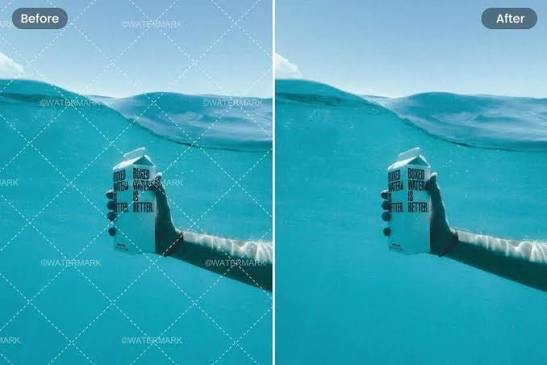
Copy a paragraph out of ChatGPT or Gemini and paste it into a document, and something always comes along for the ride that has nothing to do with the actual words. Odd spacing, inconsistent punctuation, leftover markdown symbols, and sometimes a statistical watermark buried in the word choices themselves. Most writers clean up the obvious mess and never think about the part they cannot see.
The Formatting Problem Nobody Talks About
This is where Phrasly AI Text Watermark Remover does more than its name suggests. Alongside clearing the statistical watermark some models embed, it also strips the visible mess that comes bundled with most AI output, stray asterisks left over from markdown formatting, inconsistent em dash usage, spacing irregularities, and the kind of punctuation quirks that immediately signal a paragraph was pasted rather than typed.
Why this happens so consistently
Chat interfaces render their own version of markdown formatting, bold text, headers, bullet points, built for how that specific interface displays content. None of that translates cleanly when copied into a word processor, a CMS, or an email client, each of which interprets the same underlying symbols differently or not at all. The result is a predictable trail of small inconsistencies every time text moves between those systems.
What actually shows up in a raw AI paste
A few formatting artifacts that turn up constantly in copied AI output:
- Bold or italic markdown symbols that never got converted to real formatting
- Inconsistent spacing around punctuation, especially with em dashes and quotation marks
- Bullet or number formatting that breaks when pasted into a different editor
- Smart quotes and apostrophes that render incorrectly across platforms
Why This Matters Beyond Just Looking Clean
Formatting artifacts are a small thing individually, but they compound. A document with three or four small inconsistencies scattered through it reads as unpolished even if every sentence is well written, and a client or editor noticing that mess before reading a single word already starts the piece off on the wrong foot.
First impressions in written work form faster than most people realize. A reader or editor scanning the first few lines of a document often forms a quality judgment before engaging with the actual argument, which means formatting problems can undercut genuinely strong writing before it gets a fair read.
The invisible layer matters for a different reason. A leftover watermark pattern is a statistical artifact from wherever the text originated, and it can persist through edits that changed the words on the surface without touching the underlying token pattern. Clearing it is less about disguising anything and more about making sure a heavily rewritten, genuinely original piece does not carry a stale signal from an earlier draft stage.
A quick manual check before you rely on any tool
Pasting a draft into a plain text editor first is a fast way to catch visible formatting problems before anything else. Any stray symbols or spacing issues that survive that step are worth fixing by hand, since a cleanup tool works best on writing that already looks right at a glance.
This step also helps separate the two layers conceptually. Whatever remains after that plain text check is either a genuine content issue or an invisible statistical artifact, not a formatting problem, which makes the next step of the process far more targeted.
What a Clean Draft Actually Looks Like Afterward
The end result of a proper cleanup is writing that reads as though it was drafted directly in whatever document it ends up in, no stray symbols, consistent punctuation, and no statistical leftovers tying it back to a specific generation event. That combination, visibly clean and invisibly clean, is what separates a quick copy and paste job from a piece actually ready to publish.
Getting both layers right at once is harder to do manually than it sounds, since fixing visible formatting does not touch the underlying statistical pattern, and addressing the statistical pattern through heavy rewriting can introduce new visible inconsistencies if done carelessly. A tool built to handle both at once avoids that back and forth.
Most writers only think about the words when they judge whether an AI assisted draft is ready to publish. The formatting underneath, both what is visible on the page and what sits in the statistical pattern of the text itself, matters just as much to whether a piece reads as genuinely finished.
That is worth remembering the next time a piece feels done after a quick read through. The words might be right while the layer underneath still needs attention, and checking both is what actually separates a draft from something ready to send.
Cleanup is only one step in a longer editing process, and the steps on either side of it, drafting, structural editing, a final read through, live under the same account this cleanup tool runs on.
That account is Phrasly AI.
FAQs
Why does pasted AI text look messy even when the writing is good?
Most AI tools output text in a markdown format meant for their own chat interface, which does not always convert cleanly into a word processor or CMS, leaving behind symbols and spacing issues that need manual or automated cleanup before publishing.
Is formatting cleanup the same thing as removing a statistical watermark?
No, they are separate layers. Formatting cleanup fixes what a reader can see. Watermark removal addresses an invisible statistical pattern in the word choices themselves, and a thorough tool handles both.
Do I need to check formatting manually if I use a cleanup tool?
A quick final read through is still worth doing. Automated cleanup catches most common issues, but reviewing the result yourself before publishing is the safest way to confirm nothing was missed.
Visit our website for more.