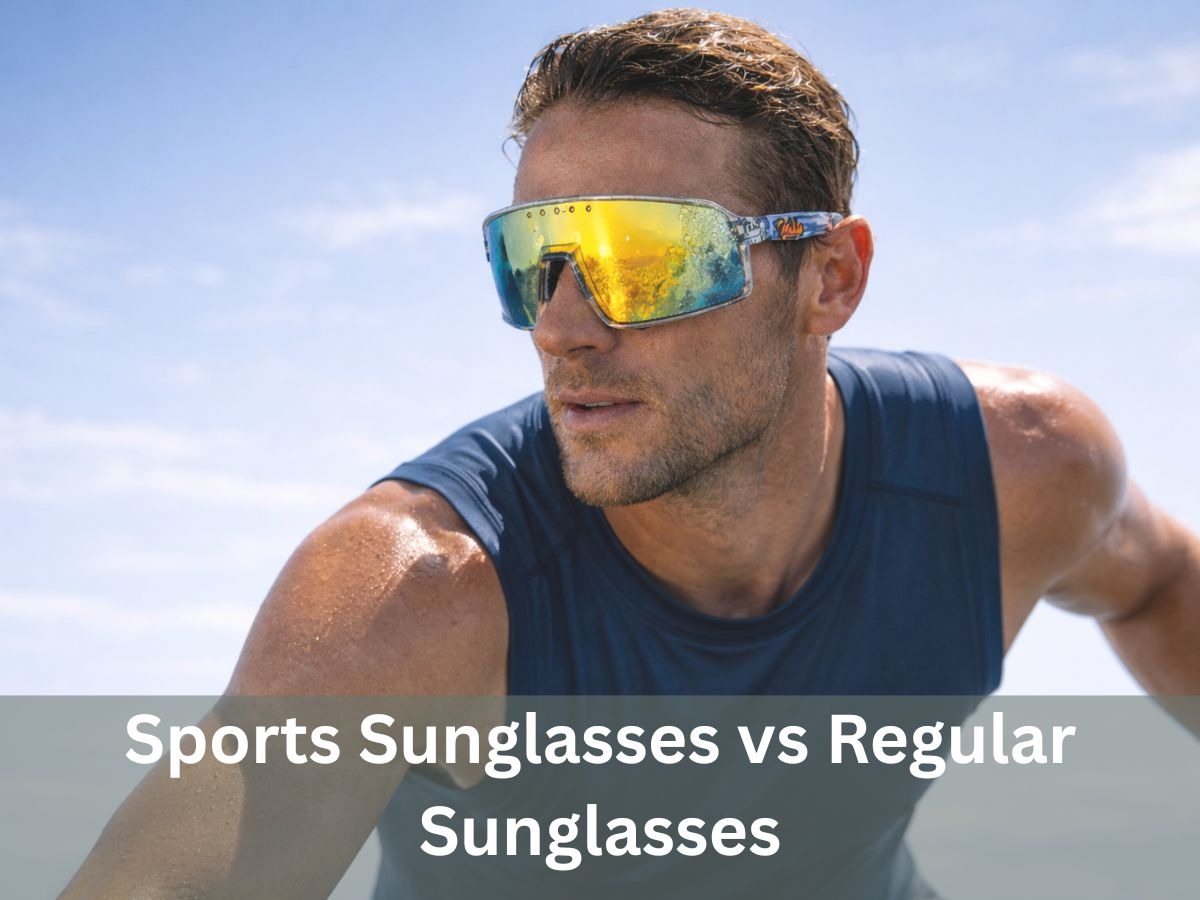
Australia has one of the highest UV levels in the world. With long summers, bright coastal glare and strong year-round sunlight, protecting your eyes is not optional; it is essential. Whether you are running along the beach, cycling through Melbourne, playing weekend cricket or commuting to work, the right eyewear can significantly improve comfort, safety and long-term eye health.
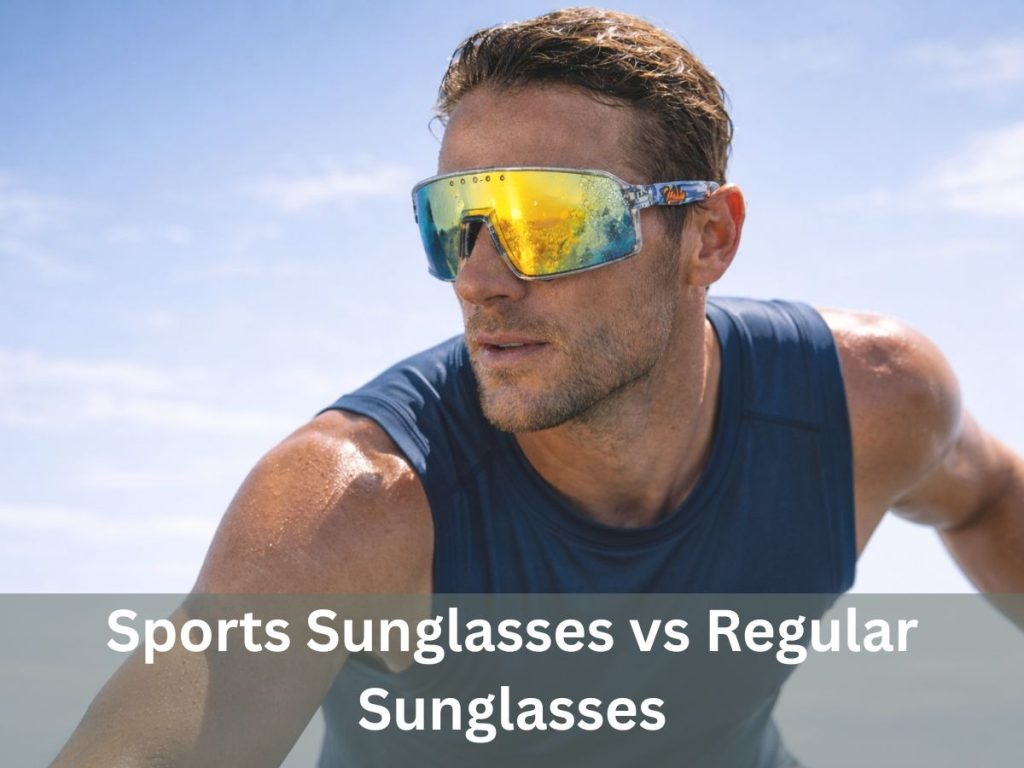
But should you choose sports sunglasses or regular sunglasses? And what are the best sunglasses for driving in Australia? This blog explains the differences, benefits and key features to look for.
Why Sunglasses Matter in Australia
According to the Australian Radiation Protection and Nuclear Safety Agency (ARPANSA), prolonged exposure to ultraviolet (UV) radiation can increase the risk of cataracts, eye damage and other long-term vision problems. UV levels in Australia are often extreme, even on cooler or cloudy days.
Quality sunglasses should:
- Provide UV400 protection (blocking 100% of UVA and UVB rays)
- Reduce glare
- Improve visual clarity
- Protect against wind, dust and debris
However, not all sunglasses are designed for the same purpose.
What Are Sports Sunglasses?
Sports sunglasses are specifically engineered for movement, performance and durability. They are built to stay secure during high-impact or high-intensity activities.
Key Features of Sports Sunglasses:
1. Wrap-Around Design
Most sports sunglasses feature curved frames that sit close to the face. This design blocks peripheral sunlight and wind while improving stability.
2. Impact-Resistant Lenses
Sports lenses are often made from polycarbonate or similar materials that resist shattering. This is particularly important for cycling, cricket, tennis or trail running.
3. Lightweight Frames
Performance frames reduce pressure on the nose and ears, making them comfortable for extended wear.
4. Anti-Slip Grip
Rubberised nose pads and temple grips prevent slipping during sweating or rapid movement.
5. Water-Resistant and Sweat-Resistant Construction
Many sports sunglasses are designed to handle moisture exposure. While not fully waterproof, they resist damage from sweat and light rain.
6. Polarised Lens Options
Many sports sunglasses are available with polarised lenses, which reduce glare from reflective surfaces such as water, roads and sand.
What Are Regular Sunglasses?
Regular sunglasses are designed primarily for general sun protection and everyday style. They are suitable for casual walking, shopping, outdoor dining or social events.
Common Characteristics
- Fashion-focused designs
- Wider variety of frame shapes
- Standard lens materials
- May or may not include polarisation
- May not offer impact resistance
While regular sunglasses can provide UV protection, they are not always built for high-movement environments.
Sports Sunglasses vs Regular Sunglasses: Key Differences
Here are the key differences:
Secure Fit During Movement
When you’re running, cycling, or moving at speed, the last thing you want is your sunglasses slipping down your nose. Sports sunglasses are designed to stay put, even during intense activity. Regular sunglasses, however, aren’t always built for movement and can easily shift or fall off.
Better Protection Coverage
Sports sunglasses often have a wrap-around design that hugs your face more closely. This helps block sunlight from the sides, giving you better overall protection. Regular styles may look good, but they often leave small gaps where glare and UV rays can sneak in.
Stronger and More Durable
Sports frames and lenses are usually made from tougher, impact-resistant materials. They’re built to handle drops, bumps, and active use. Regular sunglasses aren’t always designed for that level of wear and tear, making them less reliable for sports or high-energy activities.
Performance Enhancement
Sports sunglasses are often designed to improve contrast and clarity, particularly in outdoor conditions. Regular sunglasses focus more on aesthetic appeal.
Comfort During Extended Wear
For long activities such as cycling 40–60 kilometres or spending hours at the beach, sports sunglasses usually offer superior ergonomic comfort.
Are Polarised Glasses Worth It?
Polarised glasses contain a special filter that blocks horizontal light waves, which are responsible for glare. This is especially helpful in Australia, where glare from water, sand and asphalt is common.
Benefits of Polarised Lenses
- Reduce eye strain
- Improve contrast and depth perception
- Increase clarity when driving
- Reduce reflection from water and roads
Polarised lenses are particularly beneficial for:
- Driving
- Fishing
- Boating
- Coastal sports
- Long highway travel
For most Australians, polarised glasses are a worthwhile investment.
What Are the Best Sunglasses for Driving in Australia?
Driving in Australia presents unique challenges:
- High UV exposure
- Intense road glare
- Long-distance highway travel
- Coastal brightness
- Harsh summer sunlight
Choosing the right driving sunglasses improves both comfort and road safety.
1. Polarised Lenses
If you drive regularly, polarised lenses are often the best choice. They help cut down glare from the road surface, other vehicles, and even wet highways. This makes it easier to see lane markings, traffic lights, and surrounding traffic more clearly, especially on bright Australian days.
2. UV400 Protection
It’s not just about dark lenses, it’s about proper UV protection. Always choose sunglasses with full UV400 protection. Dark lenses without UV filtering can actually do more harm than good because your pupils dilate behind the tint, allowing more harmful rays to enter.
3. Lens Colour
The colour of your lenses may appear to be simply a matter of personal style, but the reality is that they can affect how well you see while driving in Australia’s often bright and sometimes intense sun. While grey sunglasses are good all-around, they help reduce glare and allow all colours to look correct; therefore, traffic signals and signs should always be viewed by their actual colours.
Brown sunglasses help improve the contrast of visual elements such as lane markings and the details of the road, thus allowing you to see them more clearly. Copper-coloured sunglasses work well in very bright, changing lighting/buildings, giving you clear & comfortable vision.
Sunglasses, although comfortable when wearing them in bright sunlight, may not have many benefits regarding safety as you travel through tunnels and into shady areas/roadways in the afternoon. While you want to see the entire picture clearly, a well-balanced lens tint helps to do this. 4 -frame fitting/conformation to head shape.
Frame Fit
It is just as important to make sure your frames fit properly, your sunglasses will not fit securely & comfortably, without causing too much movement or pressure when worn and should not create obstruction to peripheral vision. This peripheral awareness is one of the main factors in determining when the opportunity exists to make a lane change; therefore, you need to have sufficient space on either side of your vehicle when making a lane change.
A well-fitted pair should feel comfortable, stable, and allow you to see clearly in every direction.
5. Lightweight Comfort
If you spend long hours on the road, comfort becomes essential. Lightweight sunglasses that sit well on your face without causing pressure on your nose or ears will make long drives much more comfortable and less distracting.
Which Sunglasses Are Best for Active Aussies?
If you are regularly involved in:
- Running
- Cycling
- Surfing
- Cricket
- Hiking
- Outdoor fitness
Sports sunglasses are the better choice. They provide improved stability, impact resistance and side protection.
If your outdoor activity is mostly casual walking, commuting or socialising, regular sunglasses with UV protection may be sufficient.
Final Verdict
For active Australians, sports sunglasses offer clear advantages in durability, fit and performance. Their wrap-around design, water resistant construction and impact-resistant lenses make them ideal for movement and bright outdoor conditions.
For driving, polarised glasses with UV400 protection are strongly recommended. Lens quality matters more than style classification. Grey or brown polarised lenses provide excellent clarity for Australian road conditions.
When it comes to driving, polarised sunglasses with UV400 protection are a smart choice. While style is important, lens quality matters much more. In Australia’s bright road conditions, grey or brown polarised lenses tend to offer excellent clarity and comfortable vision.
At the end of the day, the best sunglasses are the ones that:
- Block 100% of UV radiation
- Reduce harsh glare
- Fit securely without slipping
- Feel comfortable for long periods
- Suit your daily activities and lifestyle
In Australia’s intense UV environment, investing in high-quality sunglasses isn’t just about seeing more comfortably. It’s about protecting your eyes from long-term damage and looking after your vision for the years ahead.
Visit our blog for more.